Friday, 12 May 2023

[12052023] Mistakes Happen!


Mistakes are a natural part of the learning process and human experience, and we should not let them define who we are. 

It's important to remember that our mistakes do not define our worth as a person. Rather, they are opportunities for growth and learning. When we make mistakes, we can reflect on what we did wrong, learn from our experiences, and use that knowledge to make better choices in the future. 

It's also important to forgive ourselves for our mistakes. Holding onto guilt and shame can be harmful to our mental health and prevent us from moving forward. Instead, we should acknowledge our mistakes, take responsibility for them, and use them as motivation to become better versions of ourselves. 

In short, while our mistakes may have consequences, they do not define who we are. We have the power to shape our own identities and determine our own paths in life.

Monday, 8 May 2023

[08052023] Larangan Mengadu Domba (bring into conflict)


"وَالَّذِينَ يُؤْذُونَ الْمُؤْمِنِينَ وَالْمُؤْمِنَاتِ بِغَيْرِ مَا اكْتَسَبُوا فَقَدِ احْتَمَلُوا بُهْتَانًا وَإِثْمًا مُّبِينًا"

الترجمة: "وَالَّذِينَ يُؤْذُونَ الْمُؤْمِنِينَ وَالْمُؤْمِنَاتِ بِغَيْرِ مَا اكْتَسَبُوا فَقَدِ احْتَمَلُوا بُهْتَانًا وَإِثْمًا مُبِينًا"

المعنى: "والذين يؤذون المؤمنين والمؤمنات بغير ما اكتسبوا فقد حملوا على نفسهم بهتانًا وإثمًا مبينًا"، ويعني هذا أن الله يحذر المؤمنين والمؤمنات من إيذاء بعضهم البعض دون حق، وأنهم يتحملون الخطأ والإثم إذا فعلوا ذلك.

"And those who harm believing men and believing women for [something] other than what they have earned have certainly born upon themselves a slander and manifest sin."

The meaning of this verse is that Allah warns believers, both men and women, against harming each other without just cause, and that they will bear the burden of slander and manifest sin if they do so. The verse emphasizes the importance of treating fellow believers with kindness, respect, and justice, and refraining from causing harm to them in any way.

In Islamic teachings, harming others, whether physically or emotionally, is considered a grave sin, and believers are encouraged to strive for peace, harmony, and mutual respect in all their interactions with others. This verse serves as a reminder to believers to be mindful of their actions towards others and to always act with compassion, empathy, and fairness.

Sunday, 7 May 2023

[07052023] Transformation! Please join us, or be a spectator!

This statement suggests that change is inevitable and will occur regardless of whether one actively participates in it or simply observes it from a distance. It implies that the forces driving change are powerful and will ultimately shape the future, whether one chooses to actively engage with those forces or not.

While it is true that change is often a natural and ongoing part of life, it is important to recognize that individuals and groups can still have a significant impact on the direction and pace of change. Those who actively work towards creating positive change and influencing others to do the same can help shape a more desirable future, rather than simply accepting whatever changes happen to occur.

Ultimately, whether one chooses to actively participate in creating change or simply observe from the sidelines, it is important to recognize the power of change and the potential impact it can have on individuals and society as a whole.

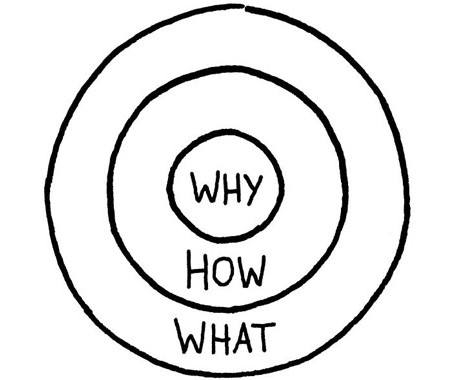
[07052023] Start with 'Why'


In Simon Sinek's book "Start With Why," he distinguishes between two types of people: "why" people and "what" people.

"Why" people are those who are motivated by a sense of purpose and a desire to make a difference in the world. They are driven by their beliefs and values, and are focused on the bigger picture. "Why" people are often passionate about their work and are willing to make sacrifices in order to achieve their goals.

On the other hand, "what" people are those who are motivated by tangible outcomes and rewards. They are focused on the specifics of what they are doing and are motivated by achieving goals and receiving recognition for their accomplishments. "What" people are often more concerned with the "how" and "what" of a project, rather than the underlying purpose or meaning.

Sinek argues that both types of people are necessary for success in any endeavor, but that organizations and leaders should prioritize hiring and cultivating "why" people. This is because "why" people are more likely to be passionate, committed, and innovative, and are more likely to help an organization achieve its goals in a meaningful way.

By understanding the differences between "why" people and "what" people, organizations can build teams that are more effective, productive, and successful in achieving their goals.

[07052023] De Bono's Random Word Technique

The Random Word Technique is a thinking tool developed by Edward de Bono that is designed to stimulate creative thinking and generate new ideas. The technique involves using a random word or phrase as a stimulus for generating ideas.

The Random Word Technique works by providing a random stimulus that encourages individuals to think about a problem in a new and different way. To use the technique, individuals start by selecting a random word or phrase from a dictionary, magazine, or other source. This word is then used as a starting point for generating new ideas related to a specific problem or challenge.

For example, if the problem is to come up with new marketing ideas for a product, the individual might select the word "fish" as the random stimulus. This word can then be used as a jumping-off point for generating new ideas, such as "using fishing metaphors in marketing copy", "partnering with fishing companies for co-marketing campaigns", or "creating a viral video featuring a talking fish promoting the product".

The Random Word Technique is particularly useful for individuals who are stuck in established patterns of thinking and are struggling to generate new ideas. By providing a random stimulus, the technique can help to break down mental barriers and encourage individuals to think more creatively.

Overall, the Random Word Technique is a simple yet effective tool for generating new and innovative ideas. By using a random word as a starting point, individuals can think about a problem in a new and different way, and generate unexpected and creative solutions.

[07052023] De Bono's Provocation Technique

De Bono's Provocation Technique

The Provocation technique is a thinking tool developed by Edward de Bono that is designed to encourage individuals to think outside the box and generate new and innovative ideas. The technique involves deliberately challenging assumptions and asking provocative questions to stimulate creative thinking.

The Provocation technique involves asking questions that are deliberately designed to challenge established thinking and stimulate new ideas. For example, rather than asking "How can we improve our product?", the Provocation technique might ask "How can we make our product so bad that no one would ever want it?" This provocative question challenges individuals to think about the problem in a completely new way and generate unconventional solutions.

The Provocation technique can be used in a variety of settings, including brainstorming sessions, team meetings, and problem-solving sessions. By asking provocative questions, individuals are encouraged to think beyond their usual assumptions and consider new and unconventional solutions to problems.

The Provocation technique is particularly useful for individuals who are stuck in established patterns of thinking and are struggling to generate new ideas. By deliberately challenging assumptions and asking provocative questions, the technique can help to break down mental barriers and stimulate new thinking.

Overall, the Provocation technique is a powerful tool for encouraging creative thinking and generating new and innovative ideas. By challenging established thinking and asking provocative questions, individuals can develop their creativity and become more effective problem-solvers.

[07052023] De Bono's CoRT

60 Thinking Tools (CoRT 1 to 6)
The CoRT (Cognitive Research Trust) Thinking System is a set of thinking tools developed by Edward de Bono to help individuals develop their critical thinking skills. The system is designed to provide a structured approach to thinking that can be applied to a wide range of problems and situations.

The CoRT Thinking System includes 6 main categories of thinking tools, each focused on a different aspect of critical thinking:

1. Attention - These tools are focused on improving focus and concentration, and include techniques such as "Focus on Purpose" and "Focus on Key Factors."

2. Information - These tools are focused on gathering and analyzing information, and include techniques such as "Seeking Information" and "Organizing Information."

3. Reasoning - These tools are focused on developing logical and analytical thinking skills, and include techniques such as "Alternatives" and "Consequences."

4. Creativity - These tools are focused on developing creative thinking skills, and include techniques such as "Provocation" and "Random Entry."

5. Evaluation - These tools are focused on evaluating and testing ideas, and include techniques such as "Criteria" and "Judgment."

6. Action - These tools are focused on developing problem-solving and decision-making skills, and include techniques such as "Action Planning" and "Problem-Solving."

The CoRT Thinking System provides a structured approach to thinking that can be applied to a wide range of problems and situations. By using these tools, individuals can develop their critical thinking skills and become more effective problem solvers.

[12112026] NILAI SEORANG INSAN: SEBAIK-BAIK MANUSIA ADALAH YANG PALING BERMANFAAT

✨ NILAI SEORANG INSAN: SEBAIK-BAIK MANUSIA ADALAH YANG PALING BERMANFAAT ✨ Islam mengukur darjat dan kemuliaan seseorang bukan...