Sunday, 30 July 2023

[30072023] Nurturing a Healthy Community: Combating Stalking and Respecting Privacy

In today's digitally connected world, privacy has become an increasingly crucial concern. With the widespread use of social media and technology, the risk of stalking and invasion of privacy has risen significantly. In this blog, we will explore the damaging effects of stalking, its impact on individuals and communities, and most importantly, how we can work together to overcome this issue and foster a thriving, respectful, and healthy community.

Understanding Stalking and Invasion of Privacy:
Stalking is a serious violation of an individual's personal space, privacy, and safety. It involves repeated unwanted attention, monitoring, or harassment, which can leave victims feeling anxious, fearful, and emotionally vulnerable. The advent of technology has also amplified this problem, making it easier for stalkers to invade someone's private life without their consent.

The Devastating Impact on Individuals and Communities:
Stalking doesn't just affect the victim; it also impacts the community at large. A community that tolerates stalking perpetuates a culture of fear, mistrust, and alienation. It erodes the sense of safety and security that is essential for a thriving community. Friends and family of the victim may also feel threatened, leading to a breakdown of trust among community members.

Overcoming Stalking and Fostering a Healthy Community:
1. Education and Awareness: Building awareness about the harmful consequences of stalking and privacy invasion is crucial. Educating individuals about what constitutes stalking behavior and the legal repercussions can empower them to protect themselves and others.

2. Encourage Reporting: Encourage a culture where victims feel safe reporting incidents of stalking. Implement clear reporting mechanisms and support systems to ensure that those affected can seek help without fear of judgment or retaliation.

3. Strengthen Legal Protections: Advocate for stronger laws that protect individuals from stalking and invasion of privacy. Collaborate with law enforcement agencies to ensure that cases are taken seriously and promptly addressed.

4. Digital Literacy: Promote digital literacy among community members to enhance their understanding of online privacy and security. Encourage the use of strong passwords, privacy settings, and safe online practices.

5. Empathy and Respect: Fostering empathy and respect within the community is vital. Encourage open dialogue about privacy concerns and the importance of consent in all interactions.

6. Support Services: Establish or promote access to support services for stalking victims. These can include counseling, legal aid, and advocacy groups dedicated to assisting those affected by such crimes.

7. Community Engagement: Organize community events and discussions to address privacy concerns and create a safe space for open dialogue. Engage local schools, businesses, and institutions to promote privacy awareness.

Conclusion:
Stalking and invasion of privacy can have severe consequences on individuals and communities, undermining trust and safety. By educating ourselves, fostering empathy, and implementing preventive measures, we can overcome these challenges and build a healthy and respectful community. Together, we can create an environment where privacy is valued, and every individual can live without fear of their personal boundaries being violated. Let us unite in this effort to protect the privacy and dignity of everyone in our community.

Thursday, 27 July 2023

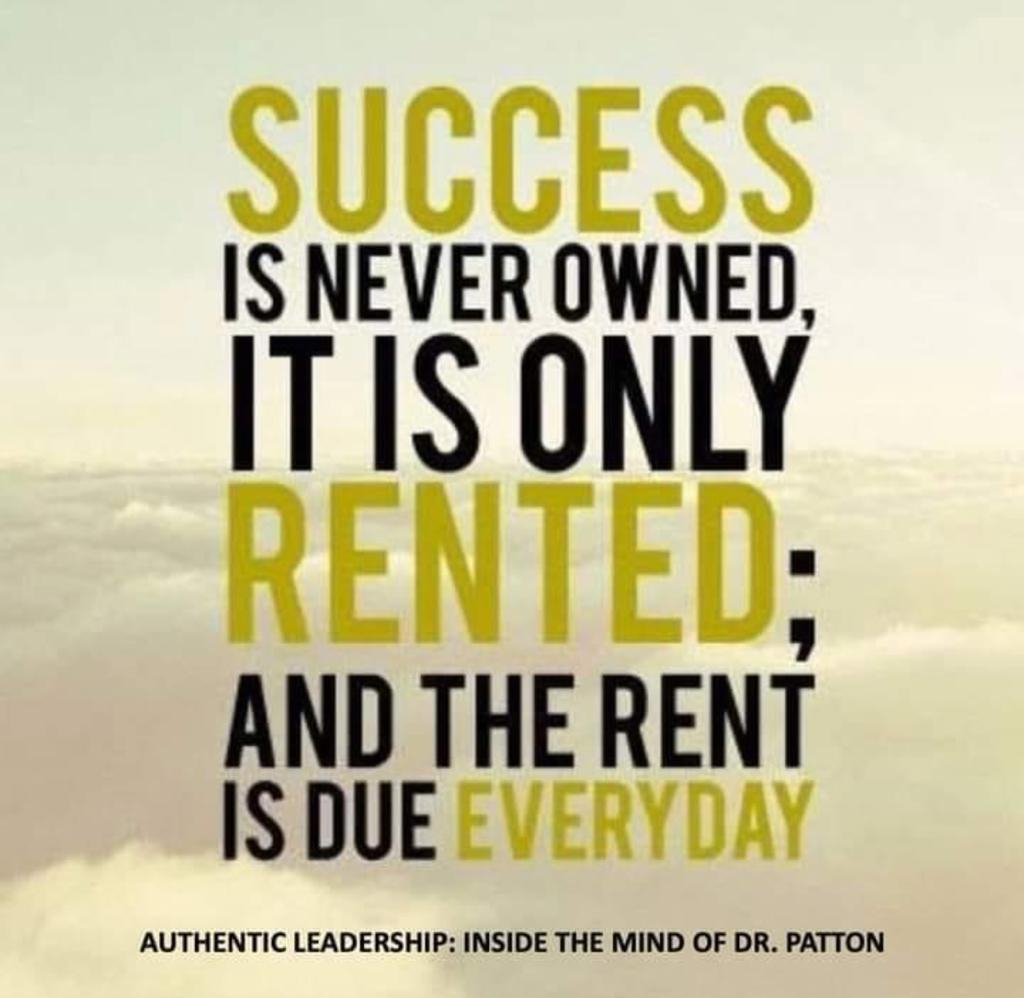
[27072023] The Unwavering Rhythm of Success: Renting Your Way to Greatness


In a world driven by ambition and achievement, the pursuit of success can often seem like an elusive dream. But what if we told you that success is not an end destination to be conquered? Instead, it's a dynamic journey that requires constant dedication, resilience, and a daily payment of rent. In this blog, we delve into the profound wisdom behind the phrase "Success is never owned, it is only rented. And rent is due every day," and uncover the secrets to maintaining the tenacity needed to thrive in the face of challenges.

The Illusion of Ownership
Many of us believe that once we achieve success in our endeavors, it becomes a permanent part of our lives. We revel in our accomplishments and bask in the glory of triumph. However, this sense of ownership can lead to complacency and stagnation. The truth is, success is a fleeting entity, ever-evolving and subject to change.

Embracing the Rented Reality
The notion that success is rented compels us to shift our mindset. Just like a tenant in a beautiful home, we must nurture and maintain our achievements continuously. Each day presents an opportunity to renew our commitment, to invest in growth, and to remain vigilant against complacency.

Paying the Daily Rent
Success's rent is not paid in monetary terms but rather in the form of dedication and hard work. Each day, we must awaken with the determination to push our boundaries, to learn, and to adapt. By paying this daily rent, we ensure that success remains an ever-present companion on our journey.

Cultivating a Growth Mindset
A growth mindset is the cornerstone of honoring the rent of success. Embracing challenges, seeking opportunities for learning, and viewing failures as stepping stones all contribute to this transformative mindset. When we believe that our abilities can be developed through dedication and effort, we open ourselves to endless possibilities for success.

Staying Humble and Grateful
When success is treated as a rental, humility and gratitude become second nature. Recognizing that our achievements are not solely of our making fosters a sense of appreciation for the contributions of others and the opportunities that life presents. Gratitude further fuels our determination to pay the rent diligently.

As we conclude this exploration of the profound phrase "Success is never owned, it is only rented. And rent is due every day," let us embrace its empowering message. Success is not a fixed destination but an ever-changing landscape that requires daily tending. Let us not become complacent in our achievements but rather humbly acknowledge that each day is an opportunity to renew our commitment, to grow, and to evolve.

By adopting a growth mindset, paying the daily rent of hard work and dedication, and remaining grateful for the opportunities we are granted, we can unlock the full potential of our journey. Remember, success is not an elusive dream; it is a reality we cultivate through our actions and mindset.

So, let us stride forth with determination, embracing the rented reality of success. As each new day dawns, let us reaffirm our commitment to greatness, knowing that with every step we take, we come closer to our full potential. The rhythm of success is unwavering, and it is within our grasp to dance to its melodious tune every day.

Monday, 24 July 2023

[24072023] Striking the Perfect Balance: The Art of Being Assertive

In our daily interactions with others, we often find ourselves navigating a delicate line between being too nice and overly firm. On one hand, being too nice may lead to setting aside our own needs and boundaries, while on the other hand, being super firm can risk damaging relationships and causing unnecessary conflicts. The key to mastering social interactions lies in finding the middle ground – being assertive. In this blog, we will explore the art of being assertive and how it can help us strike the perfect balance between kindness and firmness.

Understanding Being Too Nice
Being a kind and empathetic person is undoubtedly a valuable trait, but when taken to an extreme, it can lead to a series of challenges. People who are excessively nice often find it hard to say no, prioritize their needs, or express their true feelings. They may sacrifice their own well-being for the happiness of others, ultimately leading to emotional exhaustion and feeling unappreciated.

The Pitfalls of Being Overly Firm
On the other end of the spectrum, being super firm can create its own set of issues. An overly assertive approach might come across as aggressive and disrespectful, alienating those around us. Being too rigid in our beliefs and decisions can hinder our ability to adapt to changing circumstances and consider alternative perspectives.

Embracing Assertiveness
The solution lies in embracing assertiveness – a middle ground that allows us to express ourselves confidently, set healthy boundaries, and consider the feelings of others. Here are some key aspects of being assertive:

Self-awareness:
Understanding our own needs, emotions, and values is the first step toward assertiveness. Knowing what we stand for and what is essential to us empowers us to communicate effectively with others.

Respectful communication:
Being assertive does not mean being aggressive. It involves communicating our thoughts and feelings with respect and empathy towards others. Active listening and open-mindedness are vital elements of assertive communication.

Setting boundaries:
Assertiveness enables us to set clear and healthy boundaries without feeling guilty. It allows us to say no when necessary and prioritize our well-being without compromising our relationships.

Embracing flexibility:
Being assertive doesn't mean being rigid. It involves being open to different perspectives and being willing to adapt when appropriate. Flexibility helps us find constructive solutions to conflicts and challenges.

Handling conflicts constructively:
Assertive individuals address conflicts in a calm and composed manner. They express their concerns without attacking others and seek solutions that benefit everyone involved.

Benefits of Assertiveness
Mastering assertiveness brings numerous benefits to our personal and professional lives:

Strengthened relationships:
Assertive communication fosters trust and respect in relationships. People appreciate honesty and directness when it's delivered with kindness and consideration.

Reduced stress:
Knowing how to express ourselves assertively reduces internal tension and stress. We can address issues directly and avoid bottling up emotions.

Enhanced self-confidence:
Being assertive boosts our self-esteem, as we feel more in control of our interactions and choices.

Improved decision-making:
Embracing assertiveness allows us to make decisions confidently and stand by them, leading to more decisive actions.

Finding the right balance between being too nice and overly firm is an ongoing journey that requires self-awareness and practice. Embracing assertiveness empowers us to navigate social interactions effectively, communicate our needs, and build stronger and more meaningful connections with others. By being kind, yet firm, we can find harmony in our relationships and lead a more balanced and fulfilling life. Let's embrace the art of assertiveness and unlock the true potential of our interactions with the world around us.

Sunday, 23 July 2023

[23072023] The Power of One: How a Single Individual Can Make a Difference

The phrase "one outnumbers many" seems to imply that a single powerful or influential entity can surpass or overcome multiple weaker or less significant entities. It emphasizes the impact of a single individual or entity when compared to a larger number of others.

In certain contexts, this phrase might be used to emphasize the strength, significance, or influence of a particular person, idea, or force. It suggests that the quality or power of the "one" is so remarkable that it outweighs the quantity of the "many."

In a world dominated by billions of people, it's easy to feel insignificant, thinking that a single individual couldn't possibly make a dent in the grand scheme of things. However, history has repeatedly shown us that one person can indeed change the course of events, inspire millions, and impact the world in ways we never thought possible. From influential leaders to courageous activists and innovative thinkers, the power of one cannot be underestimated.

The Ripple Effect
The concept of the "ripple effect" is a testament to the power of one. Just like a single pebble thrown into a calm pond creates ripples that extend far beyond its initial point of impact, the actions of one person can touch the lives of countless others. One individual's determination to make a change can inspire others to follow suit, creating a chain reaction that spreads like wildfire.

Consider the story of Rosa Parks, whose refusal to give up her seat on a segregated bus sparked the Montgomery Bus Boycott, a pivotal event in the civil rights movement. Her act of courage and defiance resonated with countless others, igniting a fire of change that ultimately led to the desegregation of public transportation and a significant step forward for civil rights.

Visionaries Who Changed the World
Throughout history, visionaries and innovators have proven that a single individual's idea can revolutionize industries and transform society. Think about visionaries like Steve Jobs, who co-founded Apple Inc. and revolutionized the way we interact with technology. His relentless pursuit of perfection and his belief in the power of design forever changed the landscape of consumer electronics.

Another remarkable example is Marie Curie, the first woman to win a Nobel Prize and the only person to win Nobel Prizes in two different scientific fields. Her groundbreaking research on radioactivity not only paved the way for advancements in medicine and science but also opened doors for women in academia and research.

Defying the Odds
One of the most inspiring aspects of the power of one is its ability to defy overwhelming odds and challenges. Consider the story of Malala Yousafzai, the young Pakistani girl who stood up for education and women's rights in the face of Taliban oppression. Despite an assassination attempt on her life, she persisted in her advocacy and became a global symbol of courage and resilience.

Malala's story demonstrates that a single voice, determined to bring about change, can shine a light on important issues and galvanize people worldwide to support a common cause.

Acts of Kindness
The power of one is not limited to grand gestures or groundbreaking innovations; even small acts of kindness can have a significant impact. A single smile, a thoughtful word, or a helping hand can brighten someone's day and create a ripple of positivity.

Think about how a simple act of kindness from a stranger can lift the spirits of someone going through a tough time. These seemingly small gestures remind us of the inherent goodness in humanity and the potential we all have to make a positive difference in each other's lives.

As we reflect on the power of one, we come to realize that each of us possesses the potential to effect change and leave a lasting impact on the world. Whether through innovation, advocacy, courage, or kindness, the actions of a single individual can shape history and inspire generations to come.

Instead of feeling overwhelmed by the sheer magnitude of global challenges, we should embrace the power that lies within us. By recognizing our ability to make a difference, we can embark on our own journeys of positive change and collectively create a brighter, better world for everyone. So, let us never underestimate the power of one - it has the capacity to change the world in ways we can only begin to imagine.

[23072023] Embracing Humility: A Reminder That Everything is Temporary

Sinek: Styrofoam Cup

In a world driven by ambition and success, it is easy to get caught up in the pursuit of accolades and positions of power. We often find ourselves in environments where people tend to respect our position and success rather than appreciating us as individuals. However, amidst the ever-changing tides of life, one virtue that stands the test of time is humility. In this blog, we will explore the importance of humility, how it helps us navigate the transient nature of success, and why genuine respect lies beyond titles and achievements.

The Essence of Humility
Humility is not a sign of weakness; rather, it is a strength born from self-awareness and a deep understanding of our place in the grand scheme of things. Humble individuals do not seek constant validation or attention; instead, they focus on personal growth, empathy, and treating others with kindness and respect.

Embracing Impermanence
Nothing in life is permanent, not even the most impressive positions or soaring success stories. Understanding this impermanence allows us to approach life with humility. When we realize that success and recognition are fleeting, we are less likely to become arrogant or lose touch with our authentic selves.

Valuing People over Positions
True respect should be earned through character, integrity, and how we treat others, rather than the title we hold or the number of achievements to our name. Humility encourages us to appreciate individuals for who they are, acknowledging their unique contributions and qualities rather than being swayed by external factors.

The Power of Learning
A humble person understands that there is always more to learn and room for improvement. They are open to new ideas, feedback, and criticism, viewing every experience as an opportunity to grow. In contrast, an ego-driven mindset may hinder personal growth by resisting change and ignoring valuable insights.

Navigating Success with Humility
Achieving success is a goal many aspire to, and there's nothing wrong with wanting to excel in our endeavors. However, maintaining humility during moments of triumph can be challenging. Here are some strategies for navigating success with grace:

Remembering Your Roots:
Reflect on your journey and the support you received along the way. Gratitude can keep you grounded and appreciative of the efforts of others.

Staying Humble in Failure:
Success and failure are two sides of the same coin. Even during challenging times, humility can provide the resilience needed to bounce back, learn from mistakes, and keep moving forward.

Recognizing the Contributions of Others:
Acknowledge the collective effort behind your achievements. Success is seldom a solitary endeavor, and recognizing the contributions of others fosters a sense of humility and camaraderie.

As we navigate the complex landscapes of life, let us hold onto the timeless virtue of humility. It serves as a guiding light, reminding us that respect earned through character and empathy surpasses any temporary position or accolade. Embracing humility enables us to appreciate the people around us, learn from both success and failure, and remain authentic regardless of the changing circumstances. So, let us strive to climb the ladder of success with humility, leaving a positive impact on the world and cherishing the meaningful connections we forge along the way.

[23072023] Steer Away and Save Yourselves! Avoid Toxic People Early!

Steering away from toxic people is essential for maintaining your mental and emotional well-being, as well as promoting a healthier and more positive life. Here are some compelling reasons why it's important to distance yourself from toxic individuals:

1. Emotional well-being: Toxic people can be emotionally draining, manipulative, and negative, which can take a toll on your mental health and happiness. Their constant drama and negativity can cause stress, anxiety, and depression.

2. Self-esteem and self-worth: Toxic people often belittle, criticize, or undermine others, including you. Being around such individuals can erode your self-esteem and confidence over time.

3. Healthy relationships: Toxic people tend to have unhealthy patterns of behavior, and being around them can influence your own actions and relationships. Stepping away from toxic influences can lead to healthier connections with others.

4. Personal growth: Surrounding yourself with supportive and positive individuals can encourage personal growth and self-improvement. Toxic people, on the other hand, may hinder your progress and prevent you from reaching your full potential.

5. Energy conservation: Interacting with toxic people can be emotionally and mentally draining, leaving you with less energy and focus for other important aspects of your life.

6. Boundary setting: Toxic people often have difficulty respecting boundaries, and they may constantly push your limits. Stepping away from them allows you to establish healthier boundaries and protect your well-being.

7. Reduced conflicts: Toxic individuals may frequently create conflicts and drama, making it difficult to maintain peaceful and harmonious relationships. Limiting contact with them can lead to a more peaceful life.

8. Positive perspective: Toxic people often have a pessimistic and negative outlook on life. By distancing yourself from them, you can cultivate a more positive and optimistic mindset.

9. Emotional freedom: Removing toxic influences from your life can give you a sense of emotional freedom and liberation. You can focus on things that bring you joy and fulfillment without being constantly dragged down by negativity.

10. Role modeling: If you have children or younger individuals looking up to you, maintaining boundaries with toxic people can be an essential lesson in self-respect and healthy relationships.

Remember, it's not always easy to distance yourself from toxic people, especially if they are family members, close friends, or coworkers. However, prioritizing your mental and emotional well-being is crucial for leading a happier and healthier life. Surround yourself with those who uplift and support you, and don't be afraid to seek professional help or guidance if needed.

Saturday, 22 July 2023

[22072023] The Multitasking Myth: Unraveling the Secrets of Productivity and Focus

The saying "Jack of all trades, master of none" is a popular proverb that conveys the idea that a person who possesses a broad range of skills or knowledge may not excel in any particular one. The phrase is often used to caution against spreading oneself too thin or attempting to be proficient in too many areas simultaneously.

Origins of the Phrase:
The full proverb actually goes: "A jack of all trades is a master of none, but oftentimes better than a master of one." The original meaning was not meant to criticize those with diverse skills but rather to highlight the benefits of being versatile. The expression dates back to the 17th century, and its earliest known form is found in a book titled "Essays and Characters of a Prison" written by English writer Joseph Hall in 1610.

Interpreting the Phrase:
The phrase can be interpreted in a few different ways:

Versatility vs. Mastery:
One interpretation suggests that being a "jack of all trades" means having a wide range of skills, while "master of none" implies not having achieved a high level of expertise in any of those skills. In this context, the saying emphasizes the trade-off between versatility and specialization.

Time and Focus:
Another interpretation emphasizes the idea that spreading one's efforts across multiple pursuits may lead to less time and focus devoted to each, making it difficult to achieve true mastery.

Limited Resources:
Some argue that the phrase reflects the reality that individuals have finite time, energy, and resources. Trying to excel in too many areas might leave little room for significant accomplishments in any single field.

Modern Relevance:
In contemporary society, the phrase remains relevant in various contexts:

Career Choices:
When considering career paths, individuals are often encouraged to specialize in one area to become an expert in their field and increase their chances of success.

Skill Development:
In personal growth and skill development, people may choose to focus on a few key areas of interest rather than trying to be proficient in every possible skill.

Time Management:
The proverb can serve as a reminder to prioritize tasks and activities, focusing on what truly matters to achieve meaningful results.

Balancing Versatility and Mastery:
While the phrase cautions against spreading oneself too thin, it is essential to recognize that there are benefits to being versatile and having a broad skill set. Being adaptable and having diverse knowledge can be advantageous in certain situations, especially in rapidly changing environments.

The key lies in striking a balance between versatility and mastery. Finding areas of specialization while still maintaining a diverse range of skills can lead to a well-rounded and successful individual. Furthermore, being open to continuous learning and growth ensures that one can adapt to new challenges and opportunities.

In conclusion, "Jack of all trades, master of none" serves as a valuable reminder to be mindful of how we allocate our time and efforts. By focusing on our passions and areas of interest while embracing a growth mindset, we can pursue both versatility and mastery, leading to a fulfilling and successful life journey.

[04082026] The Helping Trap: The Social Psychology of Over-Assistance and Entitlement

It is a common relational phenomenon: what begins as an act of altruism eventually transforms into an unwritten expectation. Ov...